
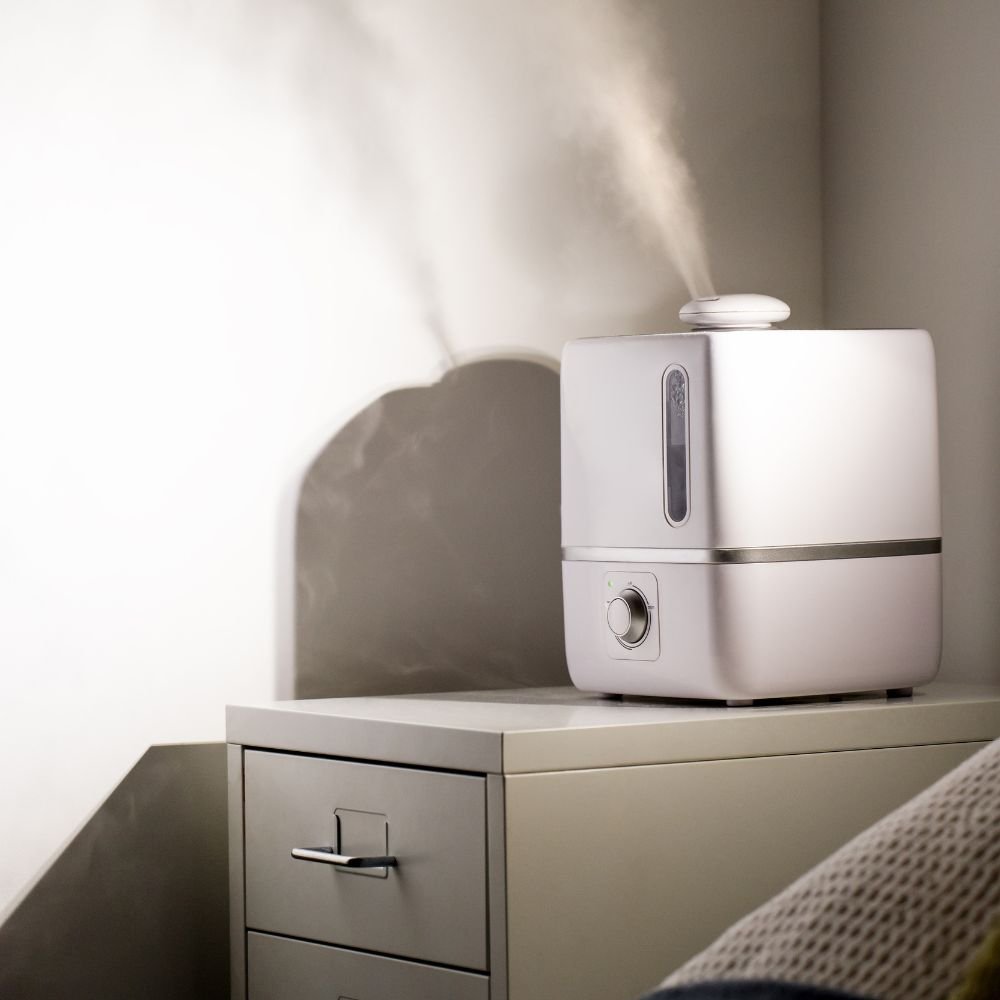
Humidity is one of the biggest hidden disruptors inside manufacturing units.
You see it when cartons soften before dispatch… when powders that should flow smoothly start sticking to machines… when metal parts show early signs of rust… or when sealing and labeling suddenly behave differently during monsoons.
Production slows, quality drops, and downtime increases — yet the root cause often goes unnoticed because moisture in the air isn’t visible. For many factories, humidity quietly creates more rejections, more maintenance costs, and more waste than any other environmental factor.
That’s exactly why industrial dehumidifiers have become an essential part of modern manufacturing, no matter the scale or sector.
Let us walk you through how excess moisture affects your factory every single day, why controlling it saves money, and what simple steps can protect your products, equipment, and people.
Why Humidity Is a Big Problem in Manufacturing?
Think about the number of materials that pass through your production line — powders, metals, chemicals, paper, fabrics, electronics, food ingredients, and so on.
Most of them react negatively when moisture in the air increases even slightly.
Here’s what high humidity commonly causes:
1. Rust and corrosion on machines
Metal surfaces absorb moisture, leading to rusting and premature wear. This results in repairs, maintenance shutdowns, and slower production.
2. Damage to raw materials
Ingredients and materials that need to stay dry get spoiled or clumped.
For example:
- Powders harden
- Paper curls
- Fabrics smell musty
- Electronic components fail
- Wooden items swell
3. Unstable packaging
Humidity weakens cardboard boxes, alters the texture of labels, and affects adhesives. This can lead to damaged packaging before the product even reaches the customer.
4. Hygiene risks
Moist air encourages mold and bacterial growth, especially in food and pharma units.
5. Employee discomfort
Hot, sticky air can reduce worker concentration and energy.
These issues lead to hidden but significant losses — something most manufacturing facilities experience but don’t immediately connect to humidity.
Common Areas Where Moisture Creates Losses
Humidity creeps into specific zones faster than others. These are the areas where installing humidity control solutions makes the biggest difference:
1. Storage Rooms & Warehouses
This is where the biggest losses usually happen. Stored materials absorb moisture over time, resulting in:
- Softening of cartons
- Condensation on products
- Mold on inventory
- Spoilage and rejections
Many units now use warehouse dehumidifiers to prevent these long-term damages.
2. Production Floors
Heat from machines increases moisture. This affects product quality and slows down processes like drying, mixing, coating, and sealing.
3. Packaging Areas
Humidity affects sealing strength, ink printing, adhesives, and packing speed. Even 10% extra moisture can cause seal failure.
4. Raw Material Rooms
Ingredients like sugar, flour, spices, chemicals, textiles, and electronics need stable humidity. Spoiled raw materials cause batch failures and wastage.
5. Finished Goods Sections
Products kept here should remain stable before dispatch. Moisture at this stage leads to returns and complaints.
How Industrial Dehumidifiers Help?
Many assume these machines are complicated, but the idea is very simple.
Industrial dehumidifiers pull extra moisture from the air and maintain the ideal RH (relative humidity) level for your process.
Here’s what they do behind the scenes:
1. Remove excess moisture continuously: They run quietly in the background, keeping humidity stable even during peak production hours.
2. Maintain material quality: Powders stay free-flowing, chemicals stay stable, paper stays crisp, and electronics stay safe.
3. Protect machinery: Machines last longer when metal components stay dry and free from corrosion.
4. Improve hygiene: Dry air prevents mold, odor, and microbial growth — important for food, beverage, and pharma units.
5. Reduce energy loss: When moisture is controlled, cooling systems work better and consume less electricity.
6. Maintain consistent production: You don’t have to pause work because humidity ruined a batch or slowed down the line.
These are simple yet powerful benefits that make humidity control one of the easiest ways to prevent operational losses.
Practical Benefits You Can See From Day One
Factories that use proper humidity control solutions report improvements almost immediately:
- Fewer product defects
- Reduced spoilage and rework
- Stronger, cleaner packaging
- Faster drying and coating times
- Lower machine downtime
- Less rusting and corrosion
- Higher hygiene standards
- Stable storage conditions
- Better employee comfort
- More predictable production performance
These are not small advantages — they directly impact your bottom line.
A Simple Checklist to Choose the Right Industrial Dehumidifier
You do not need technical expertise to pick the right model. Here’s a simple checklist that works for all industries:
1. Size of your space: Larger areas need higher capacity units or multiple machines.
2. Level of moisture in the environment: Knowing your current RH helps in selecting the right solution.
3. Type of materials you handle: Electronics, chemicals, food ingredients, fabrics, metals — each has its own humidity tolerance.
4. Temperature conditions: Some units are designed for warm areas; others perform better in cooler spaces.
5. Continuous vs. spot de humidification: Not all zones need equal coverage. Some areas need round-the-clock moisture control.
6. Maintenance requirements: Choose a system that is easy to clean and service.
7. Energy consumption: Efficient machines give long-term savings without compromising performance.
This simple checklist ensures you choose a practical, durable solution suited to your workflow.
Real-Life Scenarios That Show Why Moisture Is a Bigger Problem Than Expected
Here are three short scenarios that explain the silent damage humidity can cause:
Scenario 1: Sticky Packaging in Monsoon
A snack manufacturer saw sealing problems every rainy season.
The culprit? Excess moisture in the packing area that made pouches lose shape.
After installing a dehumidifier, sealing became consistent and rejection rates dropped sharply.
Scenario 2: Rusted Machines in a Metal Unit
A metal fabrication unit was struggling with rusting tools and equipment.
Moisture in the air was causing corrosion overnight.
Once humidity was controlled, maintenance downtime reduced drastically.
Scenario 3: Clumping of Powders
A spice processing company often threw away raw materials because powders turned hard.
With proper humidity control, material flow improved and batch failures reduced.
These small improvements add up to big savings.
Final Takeaway
Humidity is easy to ignore because it can’t be seen. But the impact it has on materials, machines, storage, packaging, and overall workflow is very real. For manufacturing units, industrial dehumidifiers are not just an optional add-on — they are a protective shield against losses, inconsistencies, and quality issues.
When the air stays dry and stable, everything else in your process becomes smoother, safer, and more reliable.
Credence provides durable and efficient moisture control solutions designed to suit different types of manufacturing setups.
Their focus is on helping businesses maintain stable humidity levels with systems that work reliably year after year.
If you’re considering humidity control for your factory, their team can guide you with simple, practical recommendations based on your space and workflow.
